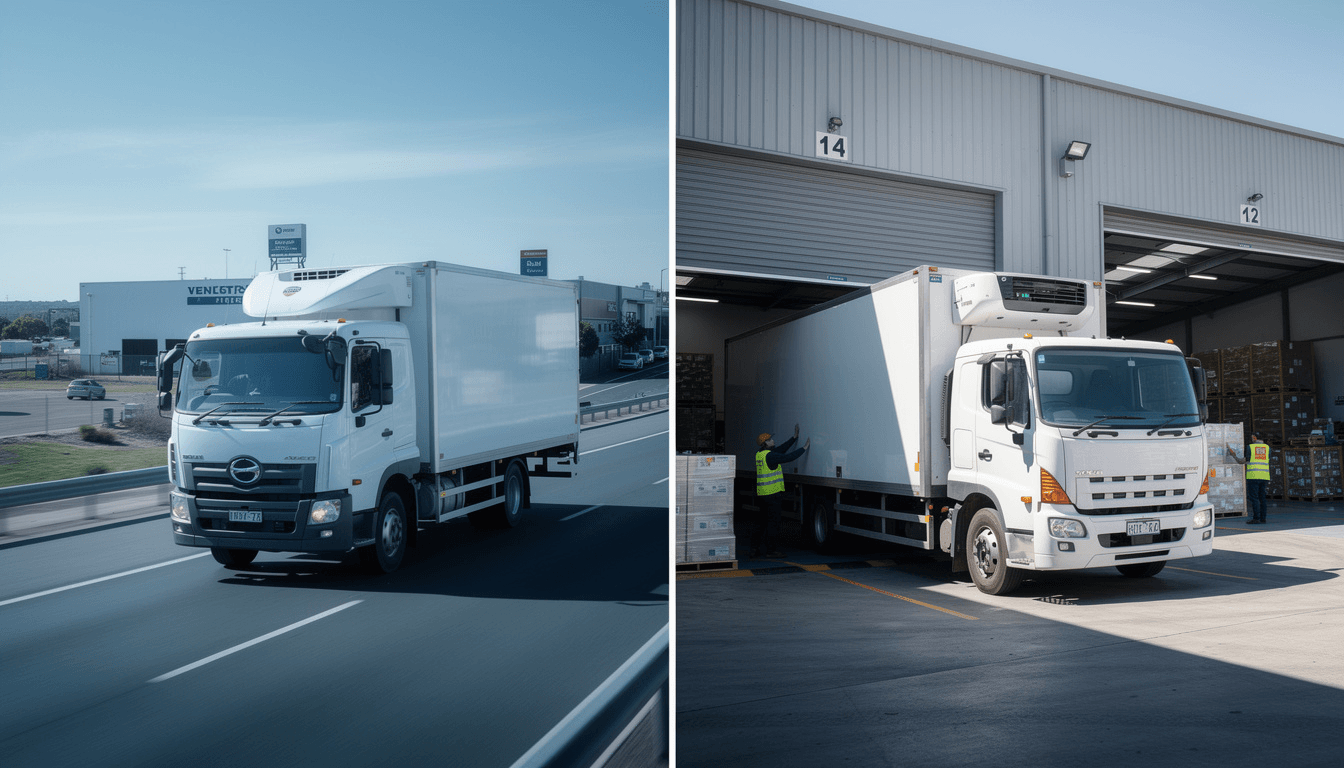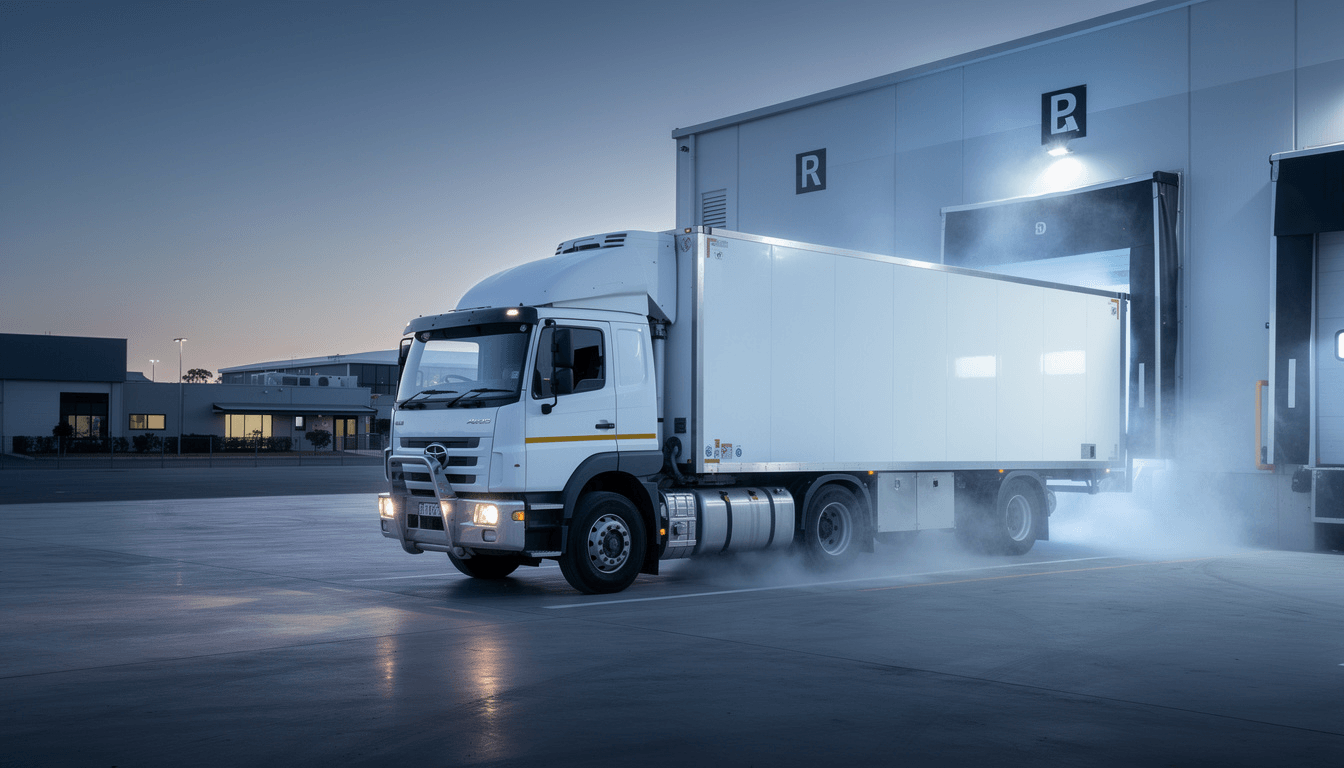
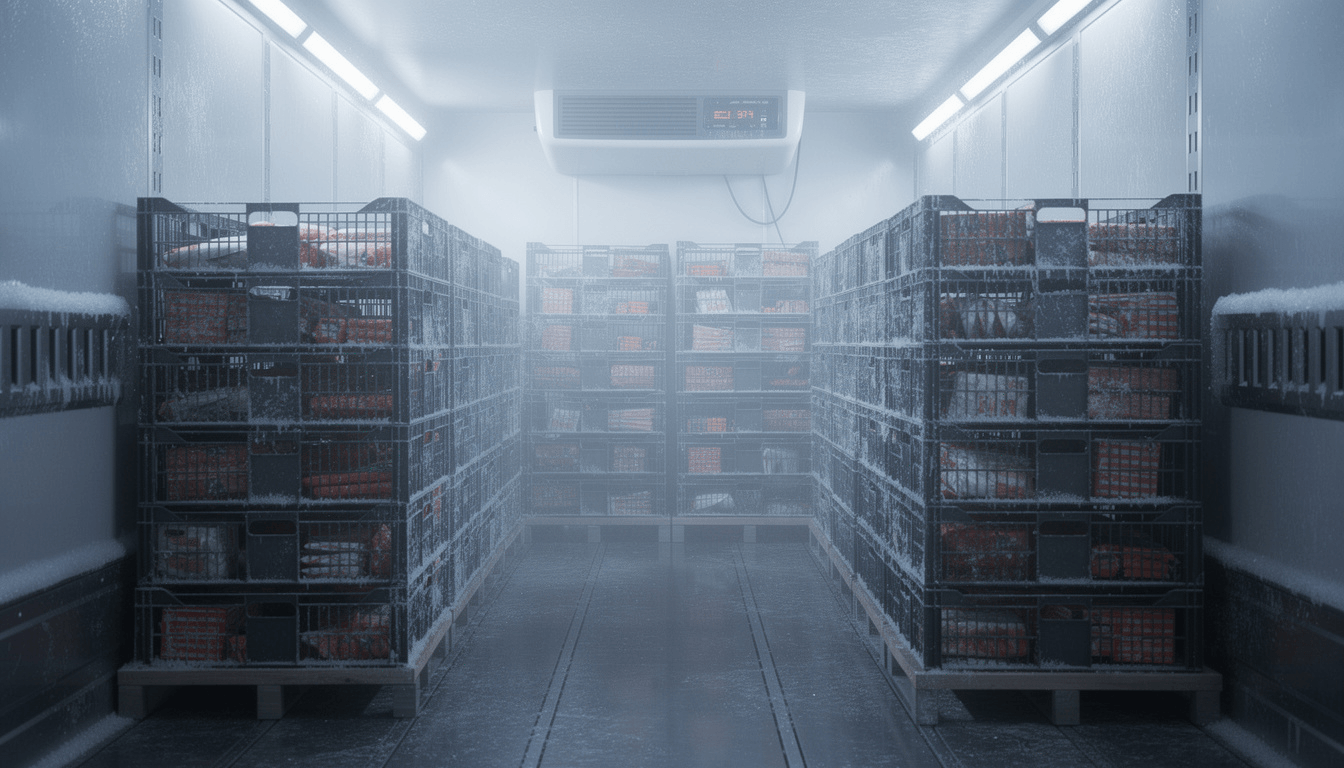
Frozen food delivery is a different challenge to chilled transport. While chilled goods typically travel at 0–5°C, frozen products must maintain temperatures of -18°C or below throughout the entire journey. For Perth businesses dealing in frozen proteins, ice cream, ready meals, or frozen produce, getting this right is non-negotiable.
Frozen vs Chilled: Why the Difference Matters
A chilled product that dips a few degrees below its target range is usually still safe. But frozen goods that begin to thaw — even partially — can suffer irreversible quality loss and become a food safety risk. Refreezing thawed products changes texture, flavour, and nutritional value, and in some cases creates conditions for bacterial growth.
Key Risks During Frozen Food Transport
- Door openings on multi-drop routes — every time the vehicle door opens, warm air rushes in and the temperature spikes briefly
- Pre-cooling failures — if the vehicle isn't pre-cooled to -18°C or below before loading, products begin warming from the first moment
- Long distances in WA heat — a delivery from a cold store in Canning Vale to a customer in Mandurah during a 40°C summer day puts serious strain on refrigeration
- Incorrect packaging — frozen goods without proper insulated packaging or thermal blankets lose temperature faster during handling
Best Practices for Frozen Delivery
1. Insist on Pre-Cooled Vehicles
Never load frozen products into a vehicle that hasn't reached target temperature. At Bluesharks24H, our vehicles are pre-cooled before every frozen load.
2. Minimise Door Open Time
Efficient route planning and well-organised loads reduce the number and duration of door openings. This is especially important for multi-stop deliveries across Perth's suburbs.
3. Use Thermal Blankets for Mixed Loads
When frozen and chilled goods travel together, thermal blankets and insulated dividers prevent cross-contamination of temperature zones.
4. Demand Temperature Logs
Your transport provider should be able to supply documented temperature records for every delivery. This is essential for food safety compliance and audit trails.
Bluesharks24H: Perth's Frozen Food Delivery Specialists
Our HACCP-certified fleet includes vehicles equipped for deep-frozen transport at -18°C and below. Whether you're a frozen food distributor, a restaurant receiving bulk frozen stock, or a retailer restocking freezer aisles, we keep your products rock-solid from warehouse to door — 24/7 across Perth and WA. Request a quote for frozen delivery.